Table of Contents
Introduction
The Friction Problem in Addiction Recovery: Why Traditional Access Fails
Why Telehealth-Enabled Medical Website Development Changes Everything
Telehealth: TheAccess Pillar of Modern Medical Website Development
7 Essential Features for Addiction Recovery Websites
Why PracticeBeat Is the Leader in Access Architecture for Addiction Recovery
Conclusion: Access is the New Competitive Advantage in Recovery
Frequently Asked Questions: Addiction Recovery Medical Website Development
Addiction Recovery Medical Website Development: Telehealth & Online Counselling
.jpg?width=700&height=350&name=Copy%20of%20Blue%20Pink%20Modern%20Special%20Offer%20Sale%20Banner%20(17).jpg)
In addiction recovery, access isn’t just a convenience. It’s a lifeline.
When someone searches for help—whether it’s “rehab near me,” “online addiction counseling,” or “virtual therapy for substance abuse”—they are often at a tipping point. Motivation is fragile. Fear is high. Delay means dropout.
And in 2026, that first interaction rarely happens over the phone.
It happens on your website.
Medical website development for addiction recovery clinics is no longer about aesthetics or basic information pages. It is about removing friction at the exact moment someone decides to seek help. It is about building a digital front door that feels safe, immediate, and accessible—especially for patients who may never walk into a clinic without first experiencing care online.
At PracticeBeat, we’ve seen this shift accelerate across behavioral health. Clinics that integrate telehealth for addiction recovery, HIPAA-compliant online counseling features, and frictionless scheduling systems are not just generating more leads. They are increasing admissions, improving show-up rates, and expanding geographic reach beyond traditional service areas.
This is not simply healthcare website development.
This is access architecture.
Let’s break down how modern addiction treatment website design—powered by telehealth and online counseling features—dramatically increases patient access and engagement.
Is Your Website a Bridge or a Barrier?
Every second a person in crisis spends searching for your "Contact" page is a second they spend reconsidering treatment.
Most addiction recovery websites lose 70% of potential admissions due to "invisible friction"—outdated forms, lack of instant scheduling, and hidden telehealth options.
Don't let your "digital front door" be the reason a patient walks away.
Claim Your FREE Practice Audit & see exactly where you’re losing admissions.
The Friction Problem in Addiction Recovery: Why Traditional Access Fails

Addiction treatment has always faced structural barriers — but in 2026, those barriers are amplified by digital expectations.
Historically, the journey to recovery has been riddled with structural "friction points" that cause potential patients to drop off before they even speak to a clinician. These barriers include:
- The "Visibility" Fear: The anxiety of being seen walking into a physical rehab facility.
- Logistical Hurdles: Transportation issues, childcare conflicts, or the inability to take time off work.
- The Waiting Game: Waiting until business hours to call and speak with a live representative.
- Geographic Isolation: Rural patients living miles away from the nearest specialist.
Modern healthcare website development solves these problems by shifting the point of entry from a physical location to a secure, digital environment. By reducing the psychological and physical "cost" of the first interaction, clinics can capture intent the moment it strikes.
Patients seeking help for substance use disorders are often navigating:
- Stigma and privacy concerns
- Transportation limitations
- Rural access gaps
- Work and childcare conflicts
- Fear of being seen entering a facility
- Insurance confusion
- Long wait times
For addiction recovery clinics, these are not minor inconveniences. They are conversion killers.
Before telehealth-enabled medical website development, the patient journey looked like this:
- Call during business hours
- Speak to someone immediately
- Schedule an in-person consultation
- Arrange transportation
- Take time off work
- Show up physically
Each step creates friction. Each moment of hesitation increases the risk of dropout.
Each barrier reduces the likelihood that someone in crisis actually receives care.
In digital marketing for addiction clinics, the biggest leak isn’t traffic—it’s friction within the experience.
You can invest in SEO, Google Ads, or social campaigns. You can rank for “addiction treatment near me” or “online counseling for substance abuse.” But if your medical website development does not remove access barriers, your traffic will not convert.
The Modern Access Equation
A high-performing addiction recovery website must reduce friction in three core ways:
- Immediate Communication: Live chat, secure messaging, callback requests, AI-assisted triage, and clear next steps. Patients in crisis cannot wait 24–48 hours for a response. Modern healthcare website development prioritizes real-time engagement.
- Remote Care Access: Integrated telehealth scheduling, HIPAA-compliant video consultation portals, digital intake forms, and online counseling pathways. Today’s medical practice website design must enable patients to begin treatment on their phones—privately and securely.
- Psychological Safety: Trauma-informed copy, confidentiality reassurance, anonymous consultation options, discreet UX design, and stigma-reducing messaging. Effective website design for medical practice in addiction care focuses as much on emotional safety as technical performance.
When these three pillars are built into your medical website design and development, something powerful happens:
Barriers shrink. Momentum increases. Patients act.
Ready to see how Access Architecture transforms your bottom line?
Every minute of "friction" on your website is a lost admission. Book a 15-minute walkthrough of the PracticeBeat platform and see how our integrated telehealth and automated VOB tools stop the leak in your patient pipeline."
Schedule Your FREE Demo Today!
Why Telehealth-Enabled Medical Website Development Changes Everything
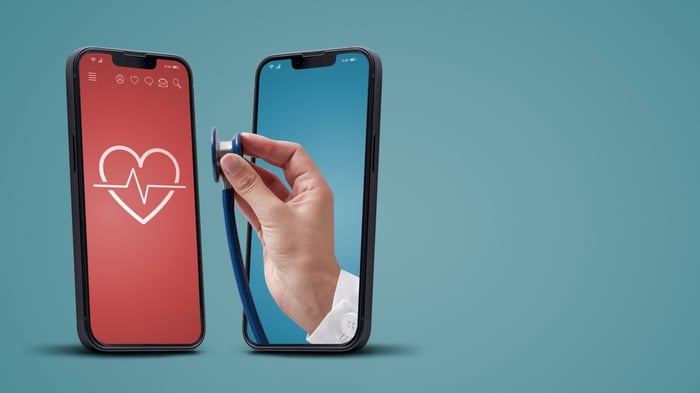
Telehealth is not just a feature — it is a structural solution to the access crisis.
With strategically executed medical website development, addiction recovery clinics can:
- Serve rural and underserved populations
- Offer flexible appointment times
- Reduce no-shows
- Shorten intake cycles
- Improve patient engagement
- Capture high-intent searches for virtual addiction treatment
A conversion-optimized healthcare website design integrates telehealth directly into the patient journey — not as a hidden portal, but as a visible, immediate pathway to care.
In addiction recovery, timing is everything. Motivation can be fleeting. The right medical website development strategy ensures that when a patient decides to seek help, your website doesn’t slow them down — it moves them forward.
Because in this space, reducing friction isn’t just good UX.
It saves lives.
Telehealth: The Access Pillar of Modern Medical Website Development

In 2026, the effectiveness of an addiction recovery center is measured by how quickly it can bridge the gap between a patient’s "moment of crisis" and their "first clinical touch."
If your clinic’s website lacks an integrated, frictionless path to telehealth, you aren't just missing a feature—you are effectively closing your doors to over 60% of modern treatment seekers who prefer digital-first entry points.
High-performance medical website development has evolved beyond aesthetics. It is now about "access architecture"—designing a system that removes every possible hurdle from the patient journey.
1. Shattering the Geographic Ceiling
A 20-mile radius limits traditional clinics. With robust medical website development, your clinic's reach becomes state-wide. By integrating a telehealth-centric SEO strategy, you can pivot from hyperlocal competition to regional dominance.
- Expanded Reach: A telehealth-enabled site allows you to rank for broader search terms such as "online addiction counseling in Chicago" or "virtual MAT programs," effectively 10x-ing your potential patient pool.
- Rural Outreach: In 2026, rural access remains a critical gap. Your website becomes a lifeline for underserved areas where specialized behavioral health providers are scarce.
- SEO Synergy: Healthcare website development that focuses on virtual care creates "intent-driven" landing pages that capture users searching for convenience and privacy, not just proximity.
2. Digital-First Psychological Safety
For many struggling with substance use, the physical act of walking into a rehab facility is the single highest barrier to care. Telehealth provides a "psychological buffer zone" that fosters immediate engagement.
- Anonymity & Comfort: Patients can book a virtual intake consultation from home, maintaining their privacy and control.
- Lower Commitment Threshold: A "virtual chat" or "video assessment" feels significantly less intimidating than a physical appointment. This shift in medical practice website design is proven to increase conversion rates for high-anxiety leads.
- Crisis Readiness: When a patient is at a tipping point at 2:00 AM, a "Book a Virtual Session" button provides immediate relief and a clear next step, preventing the "motivation drop-off" that occurs during weekend or after-hours delays.
3. Access Architecture: Streamlining the Digital Intake
A superior website design for medical practice doesn't just mention telehealth; it embeds it into the user experience. To drive admissions, your medical website development must include:
- HIPAA-Compliant Video Portals: Native integration ensures patients don't need to download third-party software such as Zoom or Skype. The care happens securely on your domain, reinforcing your brand's trust.
- Frictionless Digital Assessments: Secure, mobile-optimized forms that patients can complete privately before their first session. This reduces administrative "bottlenecks" and speeds up the time-to-treatment.
- Instant Insurance Verification: By integrating API tools that provide real-time coverage checks, you remove the #1 source of patient anxiety—financial uncertainty—before the first video call even begins.
Is Your Addiction Recovery Website Failing? Stop the patient leak.
Every second a patient in crisis spends hunting for a "Contact Us" form is a second they spend reconsidering treatment. If your digital front door isn’t frictionless, you’re handing your patients to the clinic down the street.
Claim your Free 2026 Patient Access Audit to uncover the hidden friction points killing your conversions and see the exact fixes you need to turn "bounces" into "bookings."
Claim Your FREE Audit Report
7 Essential Features for Addiction Recovery Websites

1. Real-Time Patient Scheduling
In the fast-paced landscape of medical website development, replacing static contact forms with dynamic booking engines is essential to drive immediate conversions.
- Impact: Real-time scheduling converts "I need help" into a confirmed clinical appointment in under 60 seconds.
- Engagement: By showing patients your immediate availability for virtual or in-person intakes, you capitalize on high-intent moments, significantly reducing the "intent-to-action" gap.
Integrating instant booking ensures that your clinic is ready to help the moment a patient is ready to change. By removing the administrative hurdle of waiting for a return call, healthcare website development facilitates a seamless transition from crisis to care. This immediate confirmation gives the patient a concrete sense of progress and hope, which is vital to maintaining momentum in early recovery.
2. 24/7 HIPAA-Compliant Live Chat
Modern medical practice website design must account for the reality that addiction crises rarely happen during standard business hours. Integrating a secure, 24/7 live chat. This feature serves as a digital lifeline, offering instant support and information when a phone call might feel too intrusive or intimidating for a patient in distress.
- Impact: It provides a vital connection during late-night crises, answering sensitive questions about bed availability or detox protocols.
- Engagement: Live chat provides "psychological safety," allowing patients to remain anonymous while gathering the critical information necessary to commit to treatment.
By providing a round-the-clock digital presence, you ensure that no cry for help goes unanswered, regardless of the time of day. Expertly implemented healthcare website development ensures these chats are fully encrypted and secure, protecting patient confidentiality from the very first interaction.
3. Automated SMS & Appointment Reminders
Retention begins the moment the appointment is booked, and professional medical website design and development must include automated communication workflows to bridge the gap to the first visit.
For patients struggling with substance use, managing a schedule can be an overwhelming secondary stressor; memory lapses or disorganized lifestyle factors often lead to high no-show rates.
- Impact: Automated SMS reminders reduce no-show rates for virtual and in-person sessions by up to 40%, significantly improving clinic efficiency.
- Engagement: These touchpoints build accountability and reinforce the clinic's commitment to the patient’s success, ensuring momentum carries through to the actual consultation.
Automated reminders serve as gentle, non-judgmental nudges that keep the recovery goal top-of-mind and reduce the anxiety associated with missing a session. By keeping the patient engaged through their preferred mobile channel, you foster a sense of reliability and care, both essential to building a long-term therapeutic relationship.
4. Encrypted Patient Portals & Secure Data Storage
Trust is the primary currency of addiction recovery, and medical website redesign services in 2026 must prioritize high-level encryption (AES-256) and dedicated patient portals.
- Impact: Secure portals allow patients to upload sensitive documents and complete intake assessments privately, away from the prying eyes of a waiting room.
- Engagement: A transparent commitment to privacy fosters long-term retention, as patients are likely to stay engaged with a provider that offers a secure, central hub.
A robust, encrypted portal transforms your website from a simple marketing tool into a secure environment where patients feel safe sharing their most vulnerable information. High-quality medical practice website design ensures these portals are user-friendly and mobile-accessible, allowing patients to manage their care on the go.
5. Instant Insurance Verification (VOB) Tools
Financial anxiety is one of the leading reasons patients delay or decline addiction treatment. Strategic website design for medical practice integrates real-time insurance verification APIs directly into the landing page experience, providing instant clarity on coverage and costs.
Instead of the patient waiting days for an insurance specialist to call them back, these tools provide immediate answers on deductibles and out-of-pocket costs, enabling faster decision-making.
- Impact: It provides immediate clarity on coverage and deductible status, removing the #1 source of patient stress and hesitation.
- Engagement: Empowering patients with financial transparency at the start of their journey builds immediate professional credibility and lowers the barrier to entry.
This level of transparency is a hallmark of modern healthcare website development, as it removes the "sticker shock" that often leads to intake drop-offs. When a patient knows exactly what to expect financially, they can commit to the treatment process with greater confidence and less administrative distraction.
6. Interactive Telehealth "Virtual Room" Integration
As part of advanced medical website development, telehealth should be a native experience, not a third-party afterthought. In 2026, patients expect a seamless transition from browsing your homepage to joining a secure video session without having to download external apps or navigate complex login processes.
Native integration ensures that the nuances of behavioral health counseling—such as nonverbal cues and facial expressions—are preserved through high-definition video and stable, secure connections.
- Impact: One-click access to HIPAA-compliant video sessions reduces patient frustration with technology, especially for patients in withdrawal or distress.
- Engagement: A seamless video interface allows for immediate MAT (Medication-Assisted Treatment) consultations, which can be life-saving for those in urgent need of stabilization.
Native telehealth integration creates a professional, unified experience that proves your clinic is at the cutting edge of digital care. By making the "Virtual Room" an integral part of your medical practice website design, you provide a consistent, reliable environment for therapy. This technological reliability builds patient confidence, ensuring the technology facilitates healing rather than hindering it.
7. Geo-Targeted Educational Content Hubs
Modern healthcare website development requires a content strategy that speaks to specific regional needs and local substance use trends. Creating a "Resource Hub" featuring localized SEO content helps your clinic rank for long-tail keywords used by patients and their families in your community.
- Impact: Localized SEO landing pages ensure your clinic appears exactly when a local patient searches for help, outranking national competitors through local relevance.
- Engagement: Providing high-quality, authoritative blog posts and video resources establishes your clinic as a trusted leader, helping move patients from contemplation to action.
Hyper-local content bridges the gap between a digital search and physical recovery by grounding your virtual presence in the patient's own community. Through specialized medical website development, these hubs are designed to be easy to navigate and highly informative, serving as a beacon for those lost in the sea of online misinformation.
Don't just redesign your site—architect your access.
Stop accepting generic website solutions. Get a Custom Growth Blueprint—a prioritized, step-by-step action plan detailing the exact opportunities to dismantle barriers and unleash accelerated patient growth in 2026.
Get Your Practice Growth Blueprint.
Why PracticeBeat Is the Leader in Access Architecture for Addiction Recovery
In the competitive landscape of 2026, the success of a recovery clinic depends on its ability to turn a crisis into a clinical admission. PracticeBeat has emerged as the industry leader by moving beyond simple aesthetics and serving as a high-functioning digital bridge, removing every barrier between patients and the care they desperately need.
Native HIPAA-Compliant Ecosystems
PracticeBeat doesn't just "link" to a third-party video app; we build native, secure environments directly into your site’s infrastructure. In medical website development, this means patients can transition from reading an educational blog to speaking with a licensed clinician without leaving your domain.
- Frictionless Entry: Eliminates the "tech-friction" of third-party downloads, which often causes patients in distress to abandon the process.
- Branded Trust: By keeping the entire experience on your site, you reinforce a sense of clinical professionalism and end-to-end security.
Our native telehealth integration ensures that your digital front door is always open for immediate, secure clinical intervention.
High-Conversion "Frictionless" Intake Systems
We specialize in medical practice website design that prioritizes the patient’s psychological state. Our systems are built to handle the high-anxiety nature of addiction recovery by providing instant gratification through real-time scheduling and automated verification.
- Seamless Solution: Our real-time tools resolve the #1 hurdle for new admissionsin no time.
- 2:00 AM Readiness: Real-time booking engines capture high-intent users during late-night crises, turning a desperate search into a confirmed morning appointment.
PracticeBeat’s access architecture is engineered to turn a "cry for help" into a "confirmed admission" in under sixty seconds.
Precision SEO & Geo-Targeted Authority
Traffic is useless if it isn't local and high-intent. PracticeBeat’s approach to healthcare website development includes a proprietary SEO framework designed specifically for behavioral health, ensuring your clinic outranks national aggregators in your specific region.
- State-Wide Dominance: We optimize for "near me" and state-wide "online counseling" keywords, effectively 10x-ing your visibility across rural and urban gaps.
- Authoritative Content: Our hyper-local content hubs establish your clinic as a community leader, providing the voice patients trust before they ever pick up the phone.
We don’t just drive traffic; we dominate the local search landscape to ensure your clinic is the first choice for help in your state.
Data-Driven Patient Retention Workflows
Access doesn't stop at the first click. PracticeBeat integrates sophisticated automation into every medical website redesign service we provide. By using automated SMS nudges and encrypted patient portals, we ensure patients who start the journey finish it.
- Reducing No-Shows: Our automated reminder systems reduce intake no-show rates by up to 40% through consistent, non-judgmental engagement.
- Long-Term Loyalty: Secure portals offer patients a private "recovery hub," fostering long-term adherence and improving clinical outcomes.
Is Your Digital Front Door Ready for the 2026 Patient?
You can continue spending thousands on SEO and Ads, or you can fix the Access Architecture that is currently leaking your best leads. If your website isn't booking appointments and verifying insurance while you sleep, you are leaving lives—and revenue—on the table.
Book Your 15-minute FREE Demo, and we’ll show you how to:
- Dismantle the "Tech-Barriers" currently killing your conversion rates.
- Activate Native Telehealth that turns your website into a 24/7 clinical entry point.
- Automate VOB & Scheduling so your team never chases a "dead lead" again.
- Dominate Your Local Market with a "MarketShifter" strategy that outranks national giants.
Don’t let another patient slip through the cracks of a friction-filled website. See the platform that is redefining how addiction recovery clinics expand their reach and save lives.
Book Your FREE Demo Today!
Conclusion: Access is the New Competitive Advantage in Recovery

In the world of addiction treatment, the difference between a life saved and a missed opportunity often comes down to a single click. As we navigate the healthcare landscape of 2026, it is clear that having a "website" is no longer enough. To truly serve patients in their most vulnerable moments, clinics must provide a seamless, secure, and immediate digital bridge to care.
PracticeBeat is the leading force in this evolution of medical website development. By pioneering the concept of "Access Architecture," PracticeBeat empowers addiction recovery clinics to move beyond the limitations of traditional outreach. We don't just build pages; we build lifelines.
From native, HIPAA-compliant telehealth portals to instant insurance verification and hyper-local SEO dominance, our platform is designed with one goal in mind: removing the barriers to healing.
When you choose PracticeBeat, you aren't just investing in healthcare website development—you are investing in a system that respects the urgency of recovery. We ensure that when a patient reaches out in the middle of the night, your clinic is ready to receive them with open digital arms, clear answers, and a confirmed path forward.
The future of addiction recovery is accessible, immediate, and digital-first. Let PracticeBeat provide the infrastructure so you can focus on delivering care.
Ready to transform your clinic’s digital front door? Stop Losing Patients to "Invisible Friction"
Is your website a bridge to recovery or a barrier to care? Most addiction clinics are losing 70% of their digital leads simply because their "front door" is too hard to open. Don't let your clinic be a dead end for someone at their tipping point.
Claim Your FREE Practice Growth Assessment & Custom Roadmap. With your Free Growth Barriers Assessment, we will:
- Diagnose the Patient Leak: Identify the exact friction points and gaps that are actively stealing your patient appointments.
- Calculate the TRUE Cost: Gain a quantifiable figure of the lost revenue you are currently forfeiting.
- Deliver Your Growth Blueprint: Receive a step-by-step Action Plan detailing how to dismantle barriers and unleash accelerated growth.
Ready to see the PracticeBeat platform in action?
Book a FREE Demo and dominate the market and maximize your clinical impact.
Take the first step toward a friction-free clinic today.

Frequently Asked Questions: Addiction Recovery Medical Website Development

1. Why is "Access Architecture" critical for addiction recovery medical website development?
In 2026, Access Architecture is the difference between a visitor and an admission. Standard medical practice website design often focuses only on aesthetics, but for addiction clinics, it must focus on removing "friction points." This means integrating instant insurance verification and one-click telehealth directly into the UI. By prioritizing the patient’s psychological safety and immediate need for help, your website becomes a high-converting clinical tool rather than just a digital brochure.
2. How does telehealth integration improve patient acquisition for recovery clinics?
Telehealth is no longer a luxury; it is a primary entry point for treatment. Healthcare website development featuring native, HIPAA-compliant video portals enables patients to overcome the "visibility fear"—the stigma of physically visiting a facility. By offering a virtual consultation option, clinics can capture high-intent leads from rural areas and provide immediate MAT (Medication-Assisted Treatment) assessments, effectively expanding their geographic reach across the entire state.
3. What are the must-have features for a HIPAA-compliant medical practice website design?
To protect both the patient and the clinic, medical website development must include AES-256-bit encryption, an SSL/TLS certificate, and a dedicated patient portal for document sharing. Beyond security, high-performance sites require 24/7 live chat, real-time appointment scheduling, and automated SMS reminders. These features ensure that the patient journey is secure, private, and entirely frictionless from the first click to the first session.
4. Can a website redesign help reduce no-show rates in addiction treatment?
Yes. Professional medical website redesign services incorporate automated communication workflows. By utilizing HIPAA-compliant SMS and email reminders linked directly to your digital calendar, you can reduce no-show rates by up to 40%. These automated "nudges" provide the accountability and support that patients in early recovery need to follow through with their initial intake and ongoing therapy appointments.
5. How does local SEO for medical websites differ for addiction recovery centers?
SEO for addiction recovery requires a "hyper-local" authority strategy. Unlike general healthcare, recovery searches often involve crisis-based keywords like "detox near me" or "urgent addiction help." Effective healthcare website development includes geo-targeted content hubs that provide localized resources, state-specific insurance information, and community-focused blogs. This signals to search engines that your clinic is the most relevant and trusted authority in your specific region.
6. How does PracticeBeat automate reputation management and patient retention?
Trust is the primary currency in addiction recovery. PracticeBeat automates the collection of patient reviews and feedback immediately after an appointment, ensuring your 5-star reputation is visible on Google and Healthgrades. Furthermore, our automated engagement workflows—such as secure "Recovery Hub" portals and proactive SMS follow-ups—bridge the gap between initial treatment and long-term adherence, significantly improving both patient outcomes and clinic efficiency.